
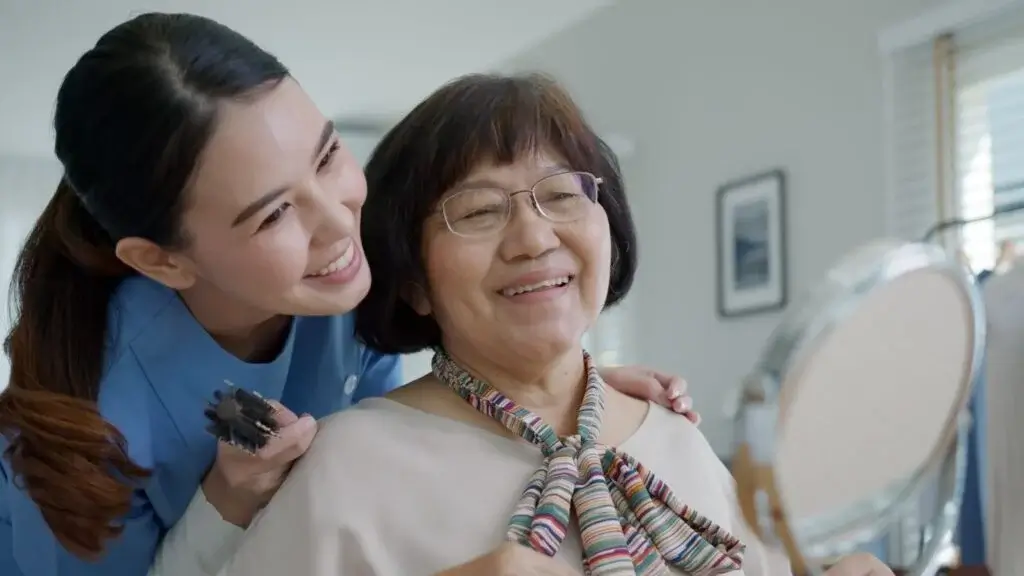
Senior companion care is a supportive service designed to help older adults stay socially connected, emotionally supported, and comfortable in their daily lives. As people age, they may not always need medical assistance or full personal care, but they may still benefit from having someone nearby to provide companionship, help with light tasks, and support regular routines. For many families, senior companion care offers peace of mind because it helps reduce loneliness while giving loved ones dependable assistance at home.
This type of care can be especially helpful for seniors who live alone, have limited transportation, are recovering from an illness, or simply need more interaction throughout the week. Companion caregivers provide friendly support that helps seniors feel seen, heard, and valued. While services can vary depending on the provider and the individual’s needs, senior companion care often includes conversation, meal support, errands, reminders, light housekeeping, hobbies, and social activities.
Emotional Support and Meaningful Conversation
One of the most important parts of senior companion care is emotional support. Many older adults experience loneliness when family members live far away, friends move, spouses pass away, or daily activities become harder to access. A companion caregiver provides a consistent presence and gives seniors someone to talk with, laugh with, and share their thoughts with.
Meaningful conversation can make a major difference in a senior’s daily life. Whether they are talking about family memories, current events, favorite hobbies, or simple everyday moments, these interactions help seniors feel connected. Regular companionship can also support a better mood and reduce feelings of isolation. Having someone who listens with patience and kindness can make home feel less quiet and more comforting.
Help With Daily Routines
Senior companion care often includes help with daily routines that keep life organized and comfortable. While companion care is usually non-medical, caregivers can provide gentle support with activities that help the day run more smoothly. This may include helping seniors plan their morning, prepare for appointments, organize household tasks, or maintain a familiar schedule.
Daily routines are important because they create structure and stability. A companion caregiver may help remind a senior when it is time to eat, drink water, take a walk, attend an activity, or complete a household task. These reminders can be especially helpful for seniors who are forgetful, easily overwhelmed, or less motivated when they are alone. With steady support, seniors can feel more confident and less stressed throughout the day.
Meal Preparation and Friendly Mealtime Support
Meal support is another common part of senior companion care. Some seniors may find it difficult to plan meals, prepare ingredients, cook safely, or keep up with regular eating habits. A companion caregiver can help with simple meal preparation, light cooking, grocery organization, and kitchen cleanup.
Mealtime can also be more enjoyable when someone is there to share the experience. Many seniors eat less when they are alone or skip meals because cooking feels like too much effort. Companion care helps make meals feel more social and encouraging. A caregiver can sit with the senior, encourage healthy eating habits, and help create a more relaxed routine around breakfast, lunch, or dinner.
Light Housekeeping and Home Organization
Senior companion care may include light housekeeping tasks that help keep the home safe, tidy, and comfortable. This does not usually mean deep cleaning or heavy household labor, but it can include small tasks that make a noticeable difference. A caregiver may help with dishes, laundry, changing linens, wiping counters, taking out trash, watering plants, or organizing commonly used areas.
A clean and organized home can make daily life easier for seniors. Clutter can increase stress and may create safety concerns, especially if walkways become blocked or important items are hard to find. Companion caregivers can help maintain a more comfortable environment so seniors can move through their home with greater ease. These small acts of support can help seniors feel more settled and independent.
Transportation and Errand Assistance
Many seniors stop driving or reduce how often they drive as they get older. This can make it harder to attend appointments, pick up groceries, visit friends, go to the pharmacy, or participate in community activities. Senior companion care may include transportation support or assistance with errands, depending on the care provider’s services.
A caregiver can help seniors get where they need to go safely and on time. They may accompany them to appointments, help carry groceries, assist with shopping lists, or provide support while running errands. This helps seniors stay active and connected to the outside world. It also gives families reassurance that their loved one is not trying to manage transportation or public outings alone.
Support With Hobbies and Activities
Companion care is not only about helping with tasks. It also includes encouraging seniors to enjoy activities that bring happiness and purpose. A companion caregiver may support hobbies such as reading, gardening, puzzles, card games, crafts, music, baking, scrapbooking, walking, or watching favorite shows together.
Activities help seniors stay mentally engaged and emotionally fulfilled. They also create opportunities for joy and connection throughout the day. A caregiver can adapt activities based on the senior’s interests, energy level, and comfort. Even simple activities can help make the day feel more meaningful. For seniors who have lost interest in hobbies because they feel lonely or discouraged, companion care can gently reintroduce enjoyable routines.
Medication and Appointment Reminders
Although senior companion care is not the same as medical care, caregivers can often provide helpful reminders. This may include reminding seniors to take medications, drink water, eat meals, attend appointments, or follow daily routines. These reminders are especially helpful for seniors who are mostly independent but occasionally forget important tasks.
Companion caregivers do not typically administer medications unless they are trained and authorized to do so, but they can help seniors stay on schedule. They may also help keep calendars organized, write down upcoming appointments, or remind family members about important changes. This type of support can reduce confusion and help seniors feel more in control of their day.
Social Outings and Community Engagement
Senior companion care can help older adults remain connected to their community. Many seniors want to stay active but may need encouragement or assistance getting out of the house. A companion caregiver can accompany them to social events, religious services, senior centers, family gatherings, parks, libraries, or local activities.
Community involvement can improve quality of life by helping seniors feel included and engaged. It gives them something to look forward to and helps prevent long periods of isolation. Even a short outing for coffee, a walk around the neighborhood, or a visit to a favorite store can lift a senior’s mood. Companion care makes these experiences easier and safer to enjoy.
Safety Awareness and Daily Check-Ins
Another helpful part of senior companion care is having someone present to notice changes or concerns. A companion caregiver may observe changes in mood, appetite, mobility, energy, memory, or home safety. While they are not providing medical treatment, they can alert family members if something seems different or if the senior may need additional support.
Daily or weekly check-ins can be very comforting for families. When a loved one lives alone, it can be difficult to know whether they are eating well, keeping up with routines, or staying socially connected. Companion care provides an extra layer of support. It helps ensure someone is regularly checking on the senior and helping them maintain a safer, more comfortable home life.
Family Support and Peace of Mind
Senior companion care also benefits family members. Many adult children, spouses, and relatives want to be there for their loved ones but have work, children, distance, or other responsibilities that make daily care difficult. A companion caregiver helps fill in the gaps by offering steady support when family members cannot be present.
This support can reduce stress and help families feel more confident about their loved one’s well-being. It also allows family visits to feel more personal instead of being focused only on chores, errands, or reminders. With companion care in place, families can spend more quality time together and feel reassured that their loved one has consistent help and social connection.
Choosing Senior Companion Care for Better Daily Living
Senior companion care includes many forms of non-medical support that help older adults feel less alone and more comfortable at home. From conversation and meal support to errands, hobbies, reminders, light housekeeping, and social outings, companion care can make daily life easier and more enjoyable. It gives seniors the opportunity to maintain routines, stay engaged, and receive friendly support without giving up their independence.
For families, companion care offers peace of mind and dependable help. It can be a flexible option for seniors who do not need full-time medical care but would benefit from regular companionship and assistance. With the right caregiver, senior companion care can improve emotional well-being, encourage independence, and help seniors continue enjoying life in the comfort of their own home.
Visit our Anna’s Senior Home Care LLC blog to learn more about our services that help local seniors live happy, healthier lives in Marin, CA.
